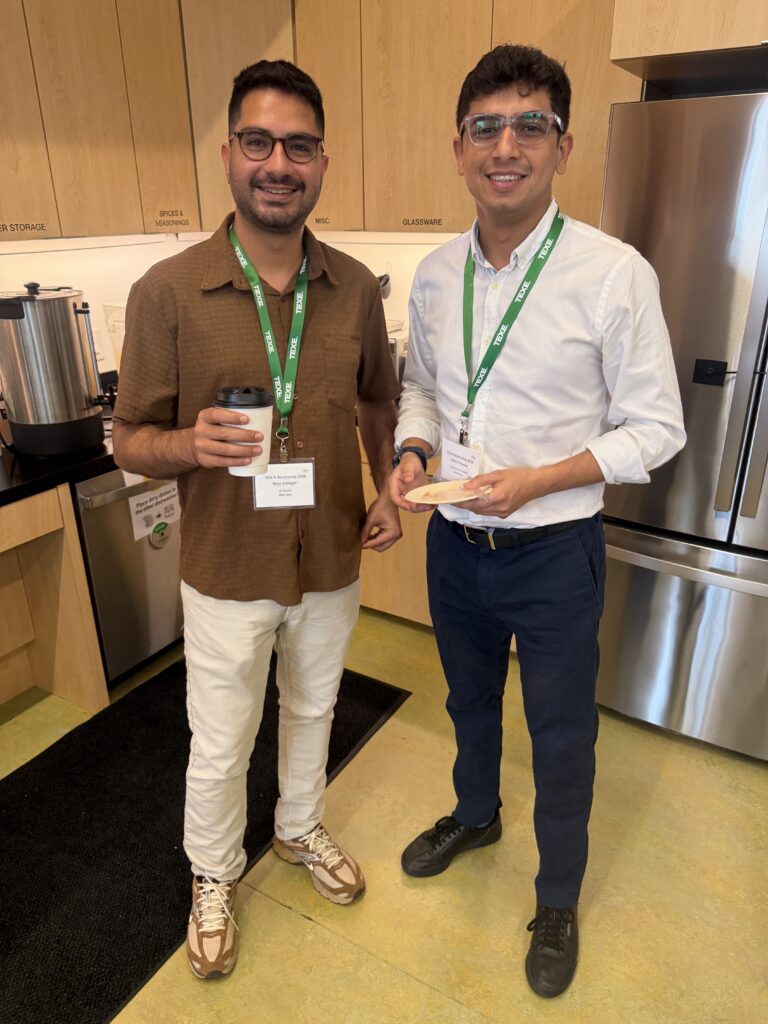
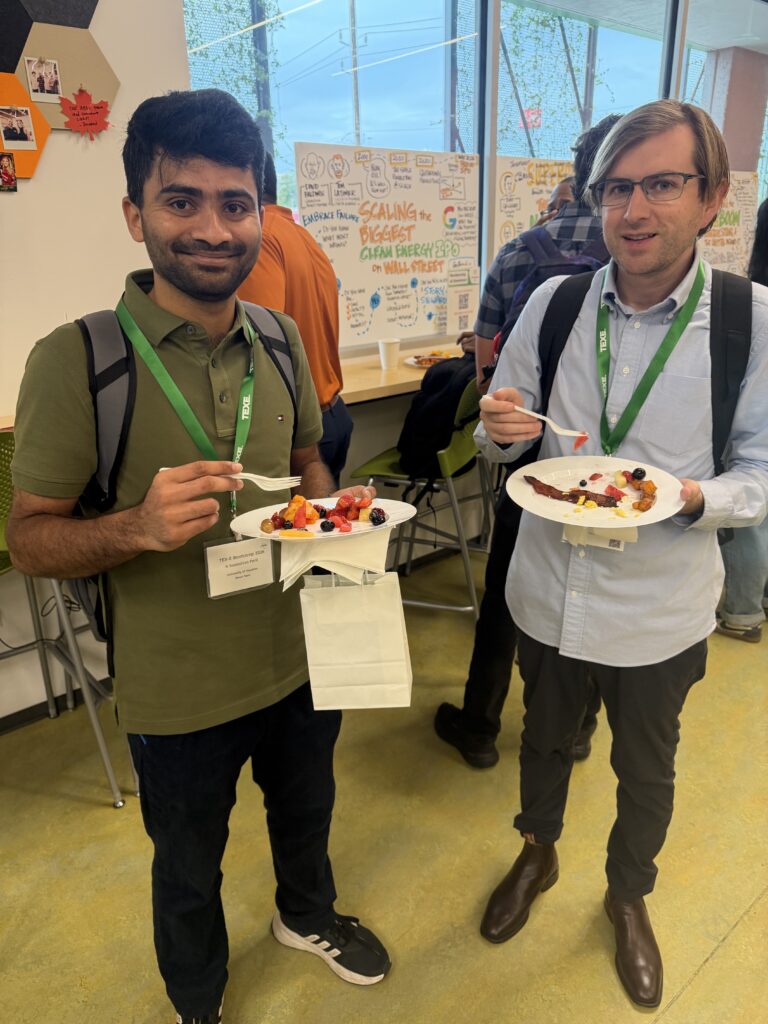
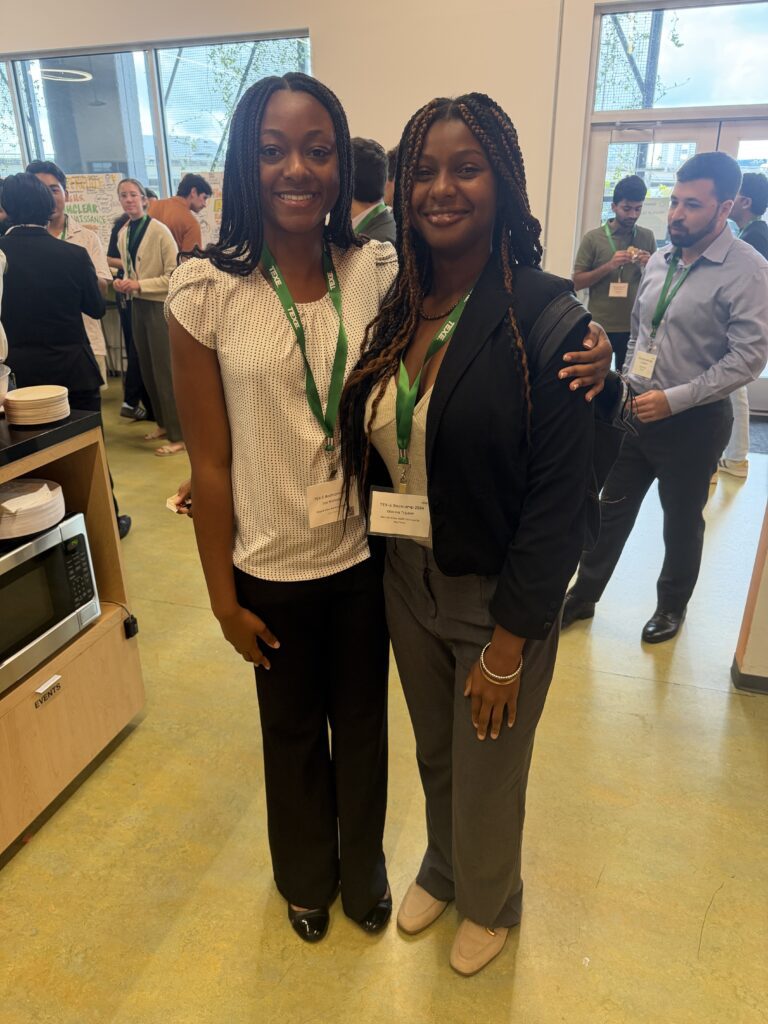
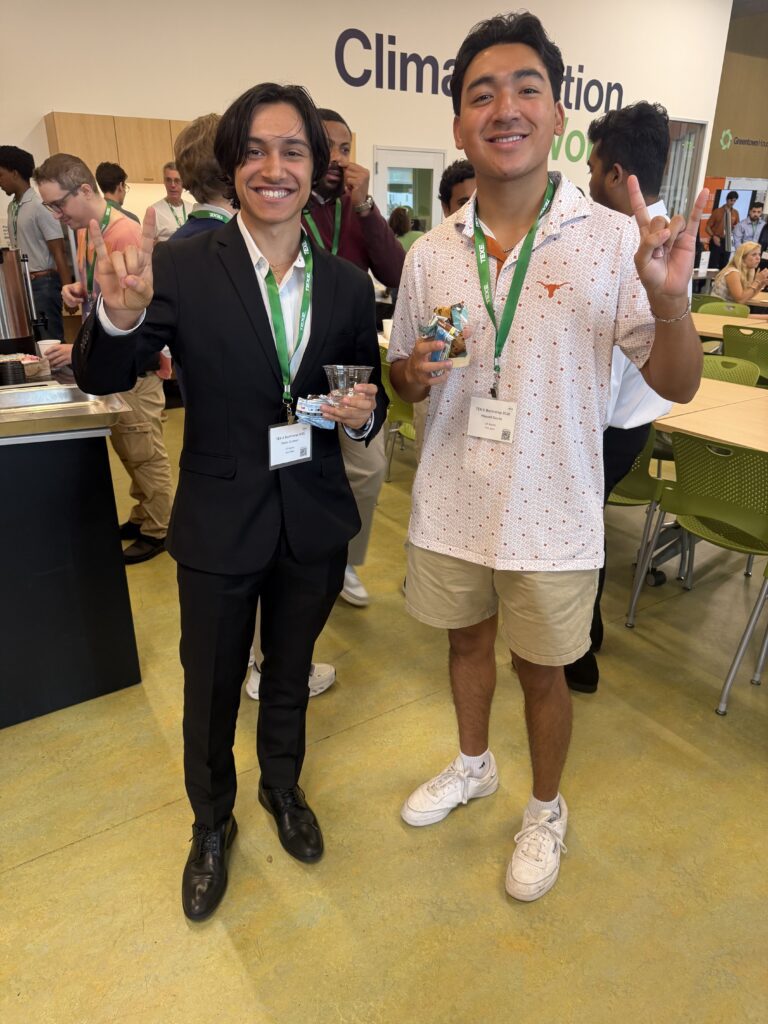
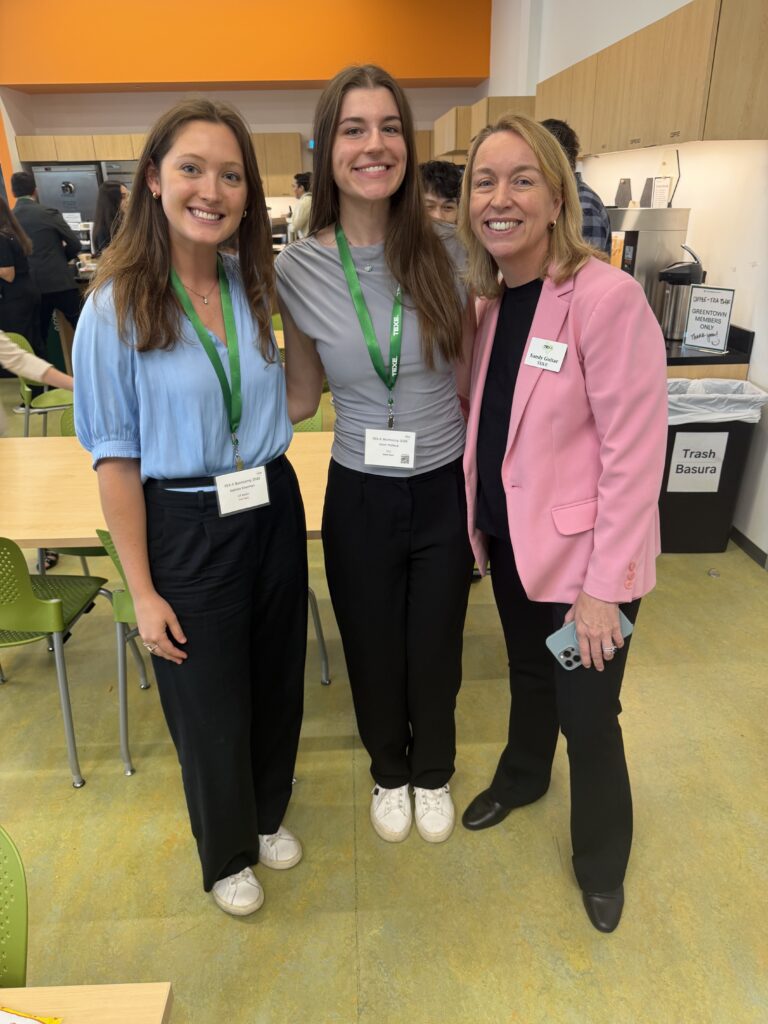
TEX-E Bootcamp is designed to do more than teach students how to build a startup idea. It gives them a chance to think differently about energy, entrepreneurship, and their own role in shaping what comes next.
Over the course of Bootcamp, students from across the TEX-E network came together in Houston to learn from MIT instructors, energy leaders, entrepreneurs, mentors, and one another. They were challenged to move quickly, ask better questions, test assumptions, work across disciplines, and tackle difficult problems with an open mind.
The result is an experience that extends far beyond a single weekend.
Learning by Doing
At Bootcamp, students are not simply listening to lectures about entrepreneurship. They are practicing it.
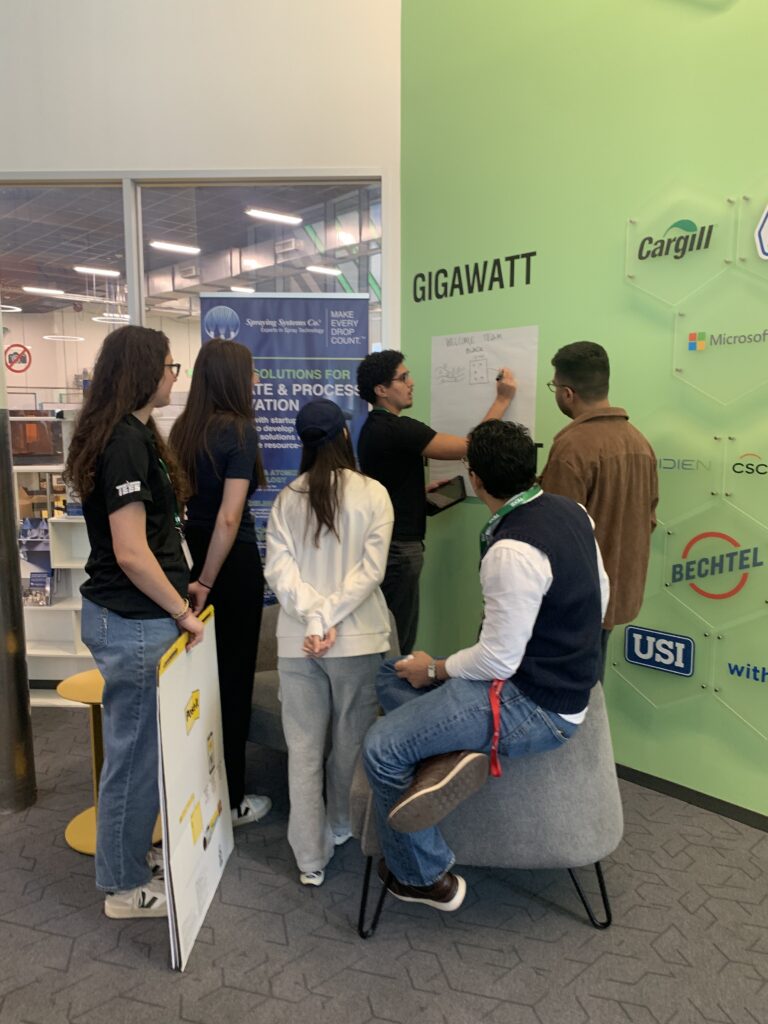
Working in teams, participants move from identifying a problem to understanding a customer, developing a solution, testing their thinking, and communicating an idea. The emphasis is not on arriving with the perfect startup concept. It is on learning a process that can be applied again and again.
That process teaches students to become more comfortable with ambiguity—an essential skill in both entrepreneurship and the rapidly evolving energy industry.
Direct Access to Energy Leaders
One of the most valuable parts of TEX-E Bootcamp is the opportunity for students to engage directly with people working at the forefront of energy.
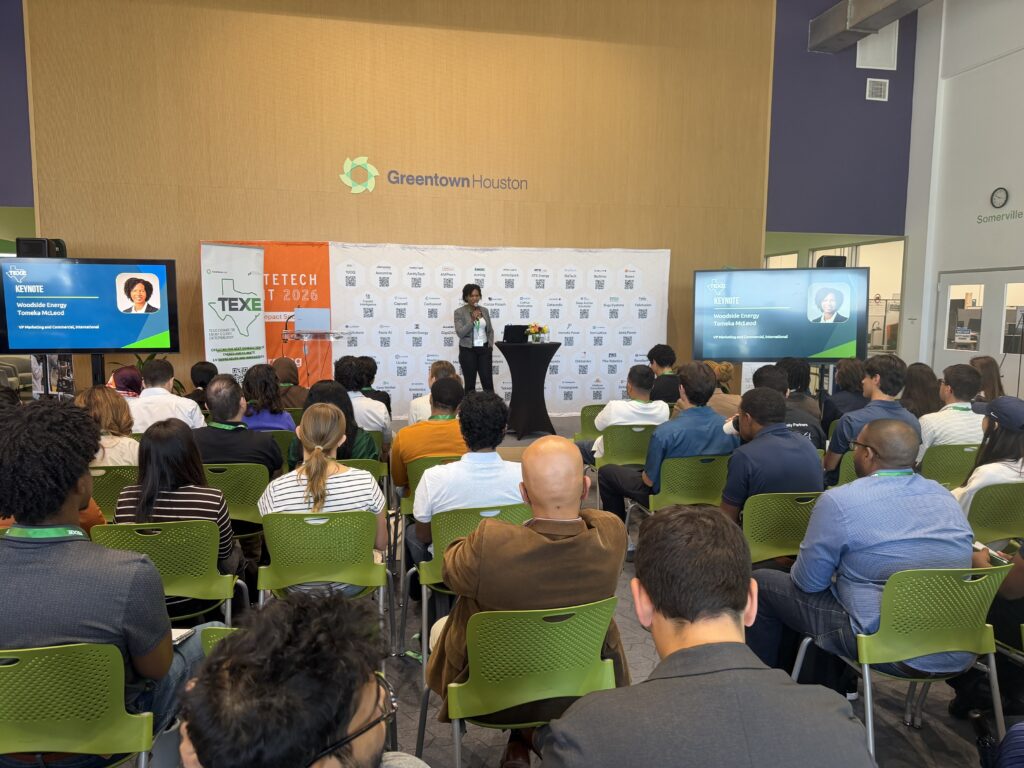
Industry leaders, entrepreneurs, mentors, and judges spend time with students answering questions, challenging assumptions, and sharing lessons from their own careers.
These interactions give students something that is difficult to replicate in a classroom: proximity.
Students gain a clearer understanding of the problems companies are trying to solve today, the skills employers and founders value, and the many different paths available to them within the energy ecosystem.
Just as importantly, they begin building relationships with people they may encounter again as mentors, employers, collaborators, investors, or colleagues.
Building Across Universities and Disciplines
TEX-E was founded on the idea that some of the biggest opportunities in energy will come from connecting people who might not otherwise meet.
Bootcamp puts that idea into practice.
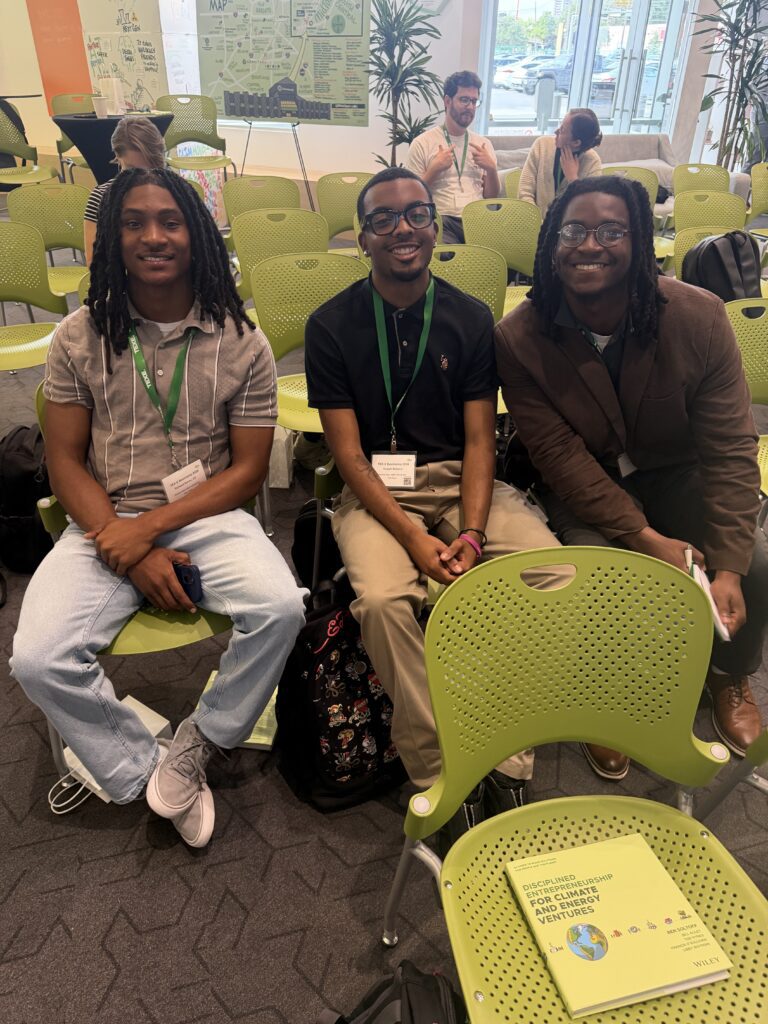
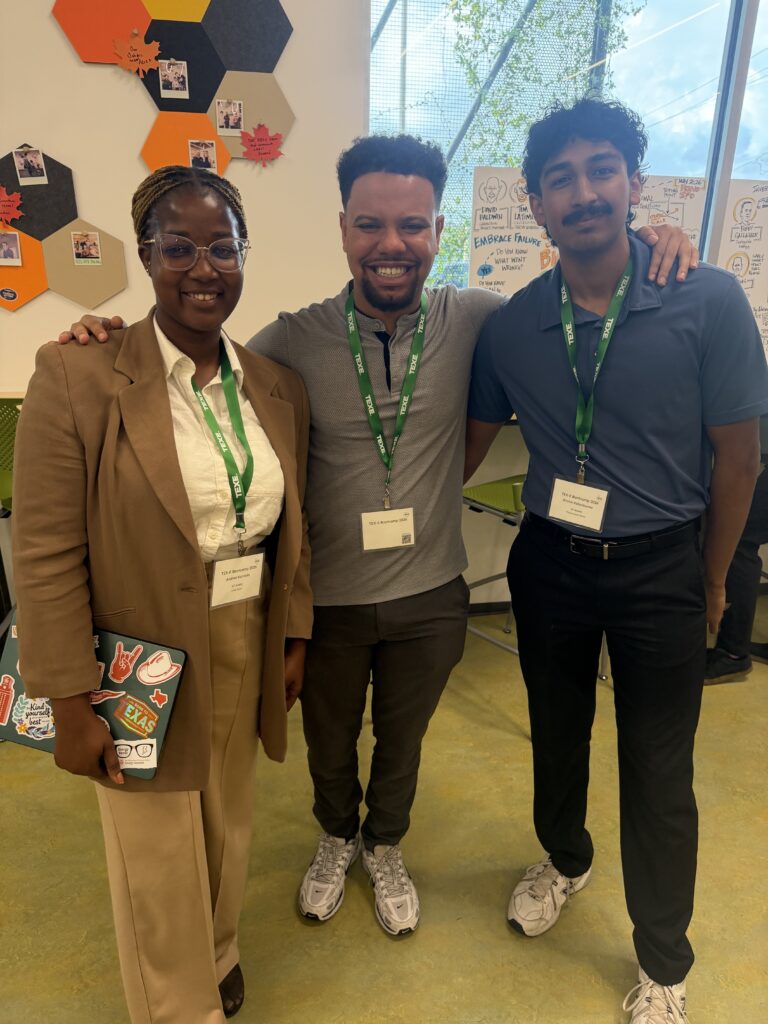
Students work alongside peers from different universities, academic disciplines, and backgrounds. Engineers may find themselves working with business students. Researchers may collaborate with aspiring entrepreneurs. Students who arrive knowing only a few people leave with a much broader network.
Those relationships matter.
Energy challenges are too complex to be solved by a single discipline, institution, or company. Learning how to listen to different perspectives and build with people who approach a problem differently is part of preparing students to lead in the industry.
Confidence to Take on Hard Problems
Perhaps the most important impact of Bootcamp is less tangible.
Students leave knowing that they can walk into a room with an unfamiliar problem, a new team, and limited information—and begin figuring out what to do next.
They learn to ask questions before jumping to answers. They learn that an idea can change dramatically after talking with a customer. They learn to receive feedback, revise their thinking, and keep moving.
And they learn that they belong in conversations about the future of energy.
That confidence can shape what students choose to pursue next: an internship, a research project, a startup, a new area of study, or simply a willingness to raise their hand for an opportunity they might previously have thought was out of reach.
Investing in the Next Generation of Energy
The energy industry is facing enormous technical, economic, and societal challenges. Meeting them will require more than new technologies. It will require curious, collaborative people who are willing to learn, experiment, and work across traditional boundaries.
That is why programs like TEX-E Bootcamp matter.
The goal is not simply to create more startups. It is to help develop a generation of students who understand how innovation happens and who feel equipped to participate in it—whether they eventually work at a startup, a major energy company, a research institution, or somewhere that does not yet exist.
To every student who showed up ready to learn, meet someone new, consider a different perspective, and tackle a hard problem: thank you.
This is your generation’s energy future. We cannot wait to see what you build.